

Tesla Turns to Chinese AI Models to Fix Smart Cockpit Shortcomings
Tesla has recently released the Tesla In-Vehicle Voice Assistant Terms of Service, announcing that its in-vehicle voice assistant will integrate Doubao AI Model (provided by Volcano Engine) and DeepSeek Chat. However, the official has not yet specified a launch date.
According to the terms, every Tesla vehicle is equipped with a voice assistant function. Owners can activate it via physical buttons, the wake word “Hey, Tesla,” or a custom wake word to conduct voice interactions with the vehicle. The voice assistant supports multiple in-vehicle commands (e.g., navigation, media playback, temperature control). For vehicles with AI interaction capabilities, owners can also chat with the assistant to access information such as weather and news.
Previously, Tesla’s in-vehicle system was frequently criticized by users for “lack of intelligence.” Integrating DeepSeek and Doubao is likely an attempt to address this shortcoming.
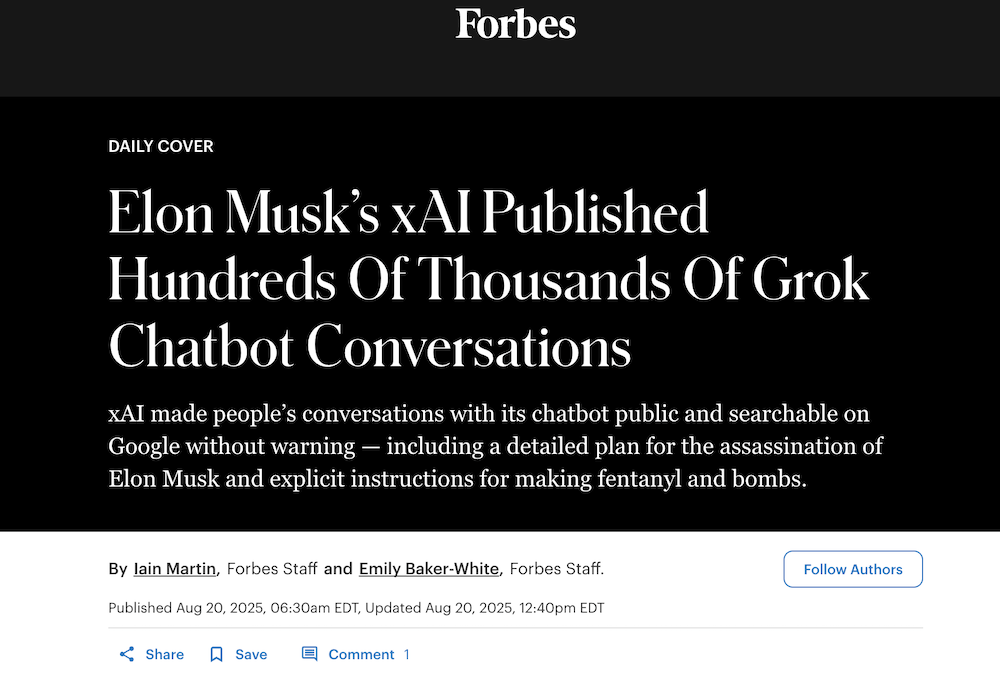
Tesla has already rolled out the AI model Grok (developed by Musk’s xAI) in the U.S., but its use is limited: only select vehicle models support it, and it is restricted to voice conversation functions. However, according to a Forbes report on August 20 (local time), Tesla’s Grok suffered a major data breach—over 370,000 pieces of user chat records were leaked, exposing user passwords and photos to the public.
1. Tesla Aims to Fix Shortcomings, Boost In-Vehicle Intelligence
As a pioneer in smart electric vehicles, Tesla long maintained a strong position in consumers’ minds thanks to its intelligent advantages. However, in recent years, with the rapid rise of Chinese NEV manufacturers, domestic automakers have caught up with Tesla in intelligence—and even surpassed it in some aspects. The most obvious gap lies in the smart cockpit: Tesla’s voice assistant has even been mocked as “artificial stupidity,” with frequent complaints from owners and media reports. Compared with models from Chinese new energy brands, Tesla’s in-vehicle system lags in three key areas:
a. Limited Voice Interaction, Slow Response, and Weak Natural Language Understanding
Tesla’s voice assistant has low recognition rates for dialects and lacks continuous conversation capabilities. According to voice assistant test data from Dongchedi (a Chinese auto review platform), the 2025 Tesla Model Y achieved a 92% voice recognition accuracy rate, which dropped to 85% in high-speed noisy environments—and it had no continuous conversation function.
In contrast, the 2025 XPeng G9, equipped with the XGPT 4.0 large model, supports mixed dialect commands, achieved a 96% recognition rate in the same test, and allows up to 20 rounds of continuous conversation. Huawei’s Xiaoyi (for HarmonyOS Cockpit) further supports cross-device connectivity: users can directly use voice to turn on their home air conditioners in advance, or even have Xiaoyi mimic relatives’ voices for replies.
b. Sparse App Ecosystem, Lack of Third-Party Apps
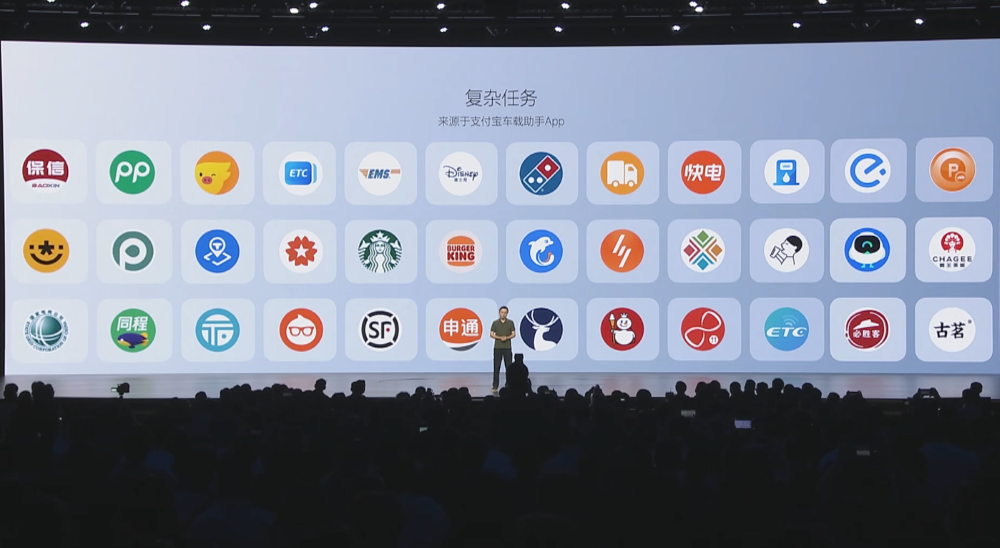
Tesla’s in-vehicle system only pre-installs a limited number of apps, with delayed navigation data updates—leading to criticism of its underdeveloped third-party app ecosystem. In contrast, Chinese new energy brands have built open ecosystems:
- Xiaomi SU7 connects to Mi Home devices via Xiaoai Assistant, allowing users to remotely control robot vacuums from the car. At launch, the SU7 already had 12 reserved ports for ecosystem expansion, with Xiaomi officially releasing 20 ecosystem accessories.
- Li Auto i8 features the Li Auto Assistant, which can directly access over 500 vehicle functions and in-car apps such as Alipay and Meituan.
c. Poor Phone-Vehicle Interaction; Competitors Have Integrated “Human-Vehicle-Life” Links
Tesla has yet to support CarPlay or Android Auto. Interaction between phones and the in-vehicle system is limited to Bluetooth, requiring manual input of navigation addresses.
Chinese automakers, however, have achieved “seamless connectivity”:
- Vehicles with HarmonyOS Cockpit can reuse most apps from phones. Even Android apps not adapted for HarmonyOS can be cast to the in-vehicle screen and operated directly.
- Xiaomi SU7’s CarWith function casts phone apps (navigation, music, calls) to the in-vehicle screen, enabling real-time synchronized operations (e.g., selecting music, adjusting navigation routes).
- NIO’s Banyan OS automatically recommends empty parking spaces, reminds drivers to rest during long trips (while linking the in-vehicle entertainment system to play energizing music), and integrates services such as hotel bookings and charging station recommendations—creating a full “human-vehicle-life” loop.
Against this backdrop, Tesla’s integration of Doubao and DeepSeek signals its urgency to accelerate improvements to in-vehicle intelligence.
2. Tesla’s Overseas AI Model Faces Restrictions + Major Data Breach
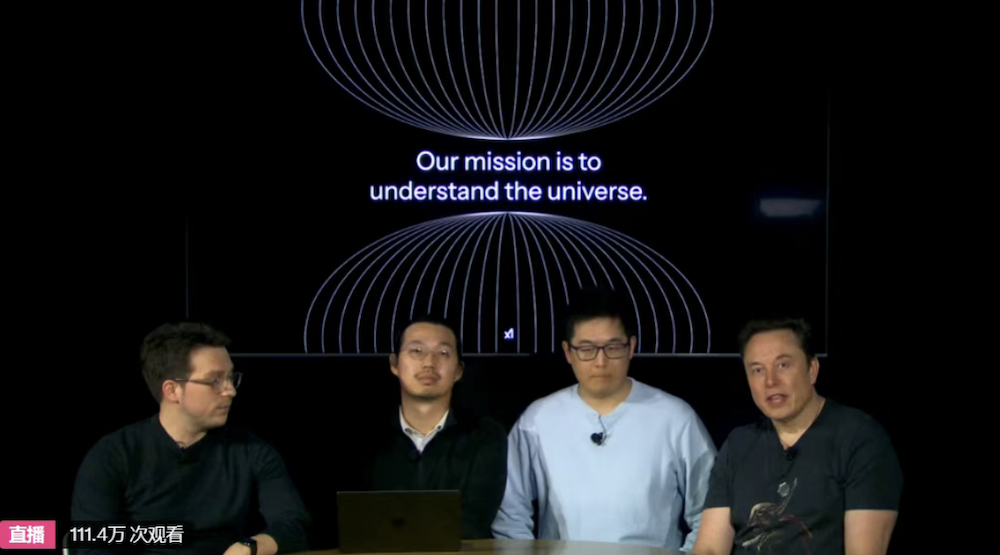
Previously, Tesla had not officially announced the use of any Chinese AI models in the Chinese market. In the U.S., however, Grok (developed by Musk’s xAI) was officially rolled out via OTA update in July 2025. Currently, Grok remains in beta testing: only Tesla models equipped with AMD processors support it, and while Grok can conduct natural language conversations with users, it cannot execute vehicle control commands (e.g., setting navigation, opening/closing windows, adjusting air conditioning).
Grok’s reputation overseas has been further damaged by a major data scandal.
Forbes reported that over 370,000 AI chat records from xAI’s Grok platform were made public, along with user-uploaded photos, spreadsheets, and documents—all indexed by search engines. Without adequate security measures, content shared by users was directly crawled by search engines like Google via generated links. This means anyone searching for “Grok chats” could access these conversations, turning private user-AI interactions into public online content.
The leaked data included more than just ordinary chats: some users discussed attempts to hack crypto wallets, while others exposed personal information such as names and passwords. As of press time, Grok has not responded to the incident.
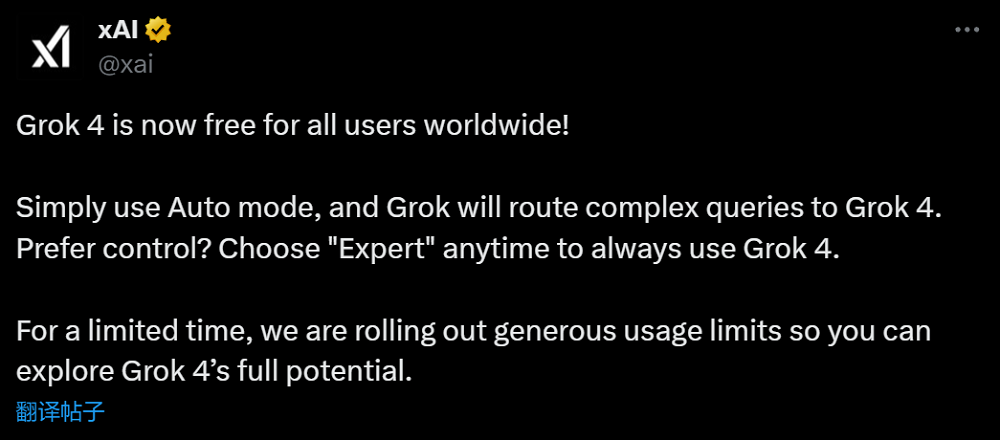
Grok 4, the latest AI model released by xAI in July, was hailed by Musk as “the world’s most powerful AI model,” with “PhD-level performance” in handling academic tasks. On August 11, Musk announced on social media that Grok 4 is now free for all users (with a daily limit on queries for free users; subscriptions are required for more usage).
3. Tesla China Steps Up Smart Cockpit Competition
Tesla’s decision to integrate DeepSeek Chat and Doubao Large Model is essentially a pragmatic choice to align with Chinese market needs and compete in the smart cockpit segment.
For the industry, a more critical question emerges: as more automakers adopt large models, how to avoid “interaction homogenization” and truly integrate large model capabilities with users’ real scenarios and vehicle hardware features? This may be the core issue for realizing the value of smart cockpits.