

From High-End Robot Vacuums to Bugatti! Dreame Announces Car-Making, Bets on 2027 Ultra-Luxury EVs
Despite the auto industry’s “red ocean” status, Dreame— a leading smart hardware brand— has officially launched its car-making project on August 28, aiming to build China’s first global ultra-luxury automotive brand. Its first all-electric model, set to debut in 2027, will directly benchmark the Bugatti Veyron (once priced at RMB 25 million in China, a top-tier “world’s fastest car”).
Unlike traditional ultra-luxury brands slow in electrification/intelligence and Tesla’s “tech-for-the-masses” positioning, Dreame’s cars will integrate China’s smart tech advantages, becoming AI-enabled terminals with “vitality and scalability” to end the “cold machine” era. Powered by its super motors, the model will deliver extreme performance. The project already has a 1,000-person team and is expanding.
Why Dreame Dares to Enter: Its “Apple Opportunity”
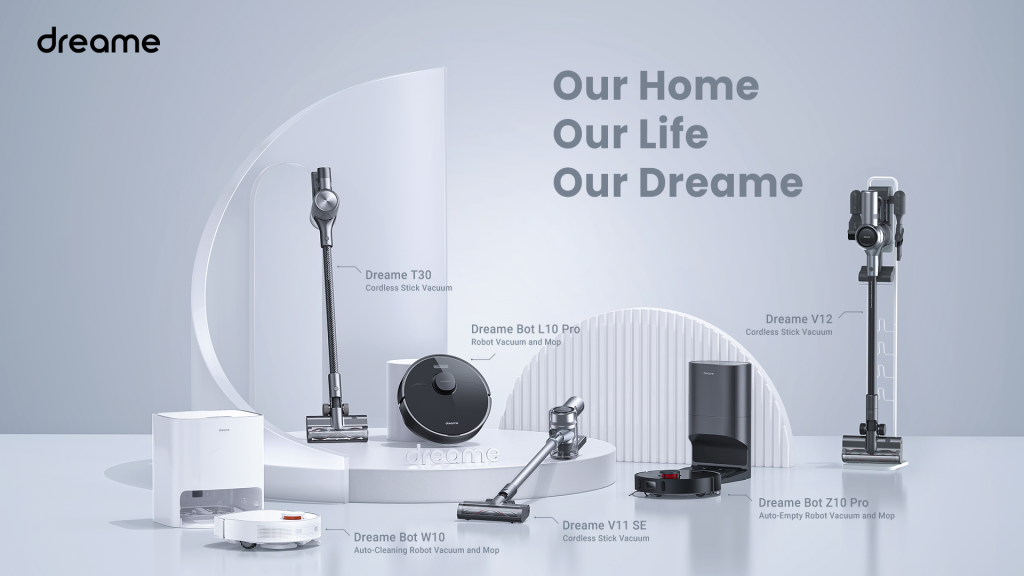
Dreame’s success in smart hardware (e.g., robotic vacuums) stems from seizing a so-called “Apple Opportunity”: relying on China’s supply chain, it built a high-end global brand via tech premium (not cost-effectiveness). It dominated the RMB 5,000+ robotic vacuum market in 2023-2024, has 6,000 offline channels in 100+ countries, and serves 30 million users.
Though it considered car-making 12 years ago (deterred by RMB 20 billion startup costs), Dreame now sees a ripe window: China’s auto industry offers brand upgrading chances, mature globalization conditions, and supply chain advantages. It believes the auto sector still has an “Apple Opportunity”— using China’s supply chains/engineers to build a global high-end Chinese brand.
Competing with “Full Factors”: Filling the Ultra-Luxury Smart Gap
Dreame plans to “spend precisely”— focusing on “commercially viable products” (RMB 20-50 billion enough for the right model). It targets global high-end users, filling the gap between traditional ultra-luxury brands (slow in tech) and Tesla (lacking exclusivity).
Its strengths lie in:
- Tech reserves: 6,379 global patents (45% invention patents) covering EV core areas like sensor fusion and motor control.
- High-end channels: 6,000 offline touchpoints (proven in competing with Dyson) to cut “user education” costs.
- Full-factor advantage: Aiming to outperform rivals by 10-20% in key metrics (price, range, intelligence) via “innovative transcendence,” not copying.
Challenges Ahead: The “Ultimate Battlefield”
Dreame, a latecomer that once overtook rivals in smart hardware, views car-making as the “ultimate test of comprehensive capabilities” (needing tech, supply chain, capital, and organizational strength). It faces hurdles: ultra-luxury brand barriers, complex auto supply chains, and efficient use of huge capital.
By 2027, when its first model launches, market dynamics and tech routes may shift. Whether Dreame can replicate its smart hardware success in autos remains to be seen— but it’s ready for a brutal battle.