
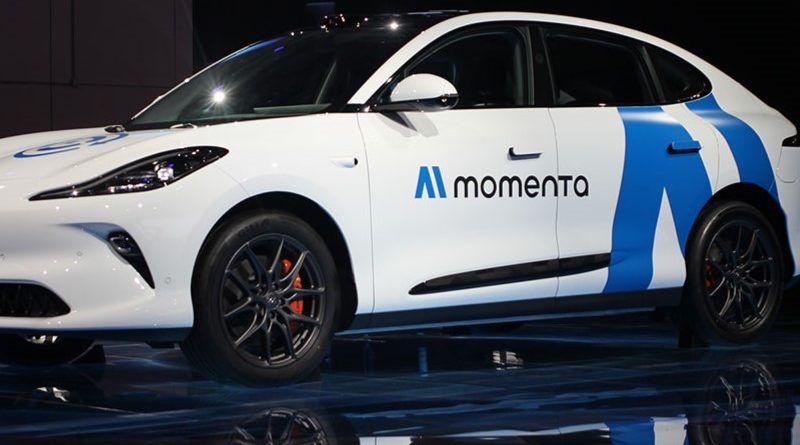
Momenta’s Self-Developed Chip Lights Up, May Have Entered Vehicle Testing, Led by Former OPPO Chip Team
Momenta’s self-developed chip has also lit up! According to a report by 36Kr on August 13, Momenta’s self-developed assisted driving chip has completed lighting up and entered vehicle testing.
The report shows that the chip’s interface references Qualcomm SA8650, aimed at reducing PCB and E/E modification requirements and shortening OEM integration cycles.
In terms of computing power, Momenta’s self-developed chip may benchmark against NVIDIA’s Orin series and Qualcomm SA8650 solutions.
Currently, Momenta’s self-developed chip has entered engineering verification, with subsequent real-world performance depending on mass production stability, cost curves, and customer volume ramp-up pace. However, it’s clear that the “self-development fever” in intelligent assisted driving remains strong.
Among OEMs, XPeng and NIO’s self-developed chips are already in vehicles, and Li Auto’s self-developed chip is also on the agenda. At the Tier 1 level, if Momenta’s self-developed chip lighting up is true, it would also become an assisted driving supplier with both software and hardware capabilities. Chedongxi immediately reached out to Momenta for verification of this news, but as of publication, they have not yet responded.
01. Project Launched Over Two Years Ago, Targeting Rapid Vehicle Integration
Momenta’s reported self-developed chip lighting up is not entirely without precedent. Media reports show that Momenta’s entry into self-developed chip projects can be traced back to June 2023, when the project was launched directly due to the high cost of general platforms and the difficulty of general chips to fully meet the specific needs of end-to-end algorithms in real-time performance and energy efficiency.
Taking NVIDIA Orin-X’s price as an example, a single chip costs around $380 (approximately 2,710 RMB), creating significant cost reduction pressure when delivered as an integrated system.
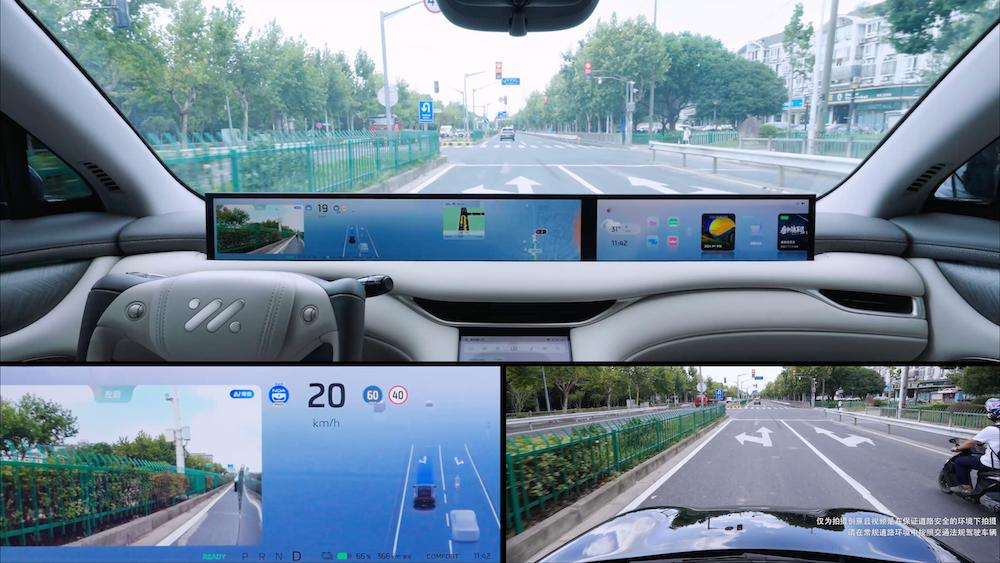
▲Momenta assisted driving real-world testing
According to reports, after Momenta’s self-developed chip project was launched, it absorbed over ten core engineers and management talents from OPPO’s chip team ZEKU after its dissolution, including ZEKU COO Li Zonglin, ZEKU Software Department Director Jia Mingjun, ZEKU SoC 2 Department Senior Director Yu Guojun, and nearly ten middle management personnel under him.
This way, Momenta’s self-developed chip also completed capabilities in chip architecture, IP integration, tool chains, and automotive-grade processes. In terms of funding, public information indicates that Momenta, with support from Hefei local government, secured substantial funding and jointly established a multi-billion RMB automotive semiconductor fund, providing financial and policy conditions for R&D and supply chain development.
Sources show that between April and May 2024, Momenta’s self-developed chip completed its first version tape-out, passed automotive-grade CB testing in February 2025, and entered vehicle verification in August. Overall, this is a product development attempt starting from algorithms with the goal of software-hardware integration.
Currently, there are no officially published specific specifications for this chip, but media reports indicate it’s a dedicated inference chip for mid-range intelligent driving applications, benchmarking against NVIDIA Orin-X and Qualcomm SA8650, focusing on common scenarios for urban/highway NOA rather than single-chip coverage of higher-level autonomous capabilities.
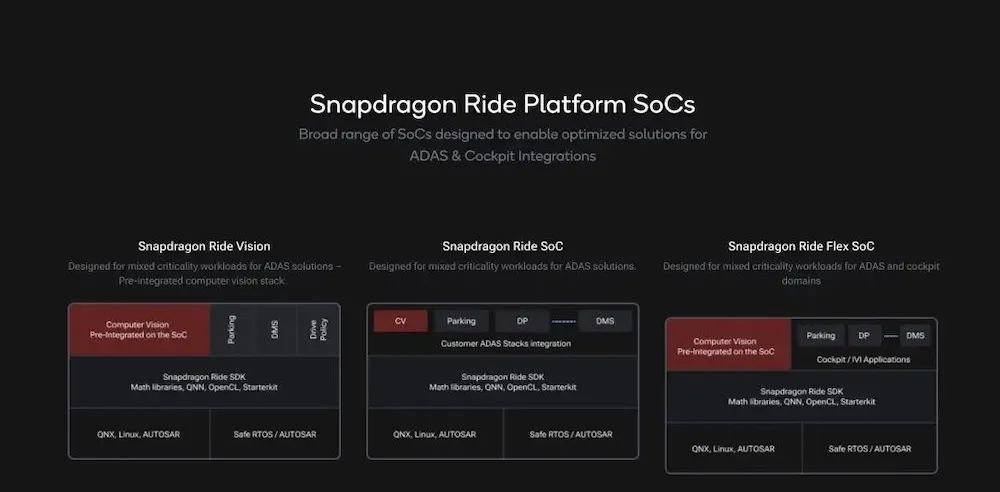
▲Qualcomm 8650 and other product roadmaps
Industry rumors suggest it’s advancing 5nm mass production with Taiwanese manufacturers, but the process node has not been publicly disclosed.
Industry insiders say the chip’s future goal is to reduce the cost of complete urban assisted driving solutions to the 5,000 RMB level. For comparison, Zhuoyu’s complete solution using Qualcomm SA8650 costs around 7,000 RMB.
02. Former OPPO Chip Team Takes Over, Once Reported to Have Route Disputes
Public reports indicate that in July 2023, Momenta absorbed over ten core executives and engineers from OPPO’s ZEKU chip design company, including former ZEKU COO Li Zonglin, Software Department Director Jia Mingjun, and SoC 2 Department Senior Director Yu Guojun and his team.
This talent acquisition was seen as a key step in Momenta’s transformation from a pure software algorithm supplier to a “chip + algorithm” full-stack model. Li Zonglin is the number one figure in Momenta’s chip business, responsible for overall strategic planning and team management. He has extensive chip R&D management experience, having led the development of the Helio processor series and Dimensity chip series at MediaTek, making him a prominent figure during MTK’s transition to smartphones.
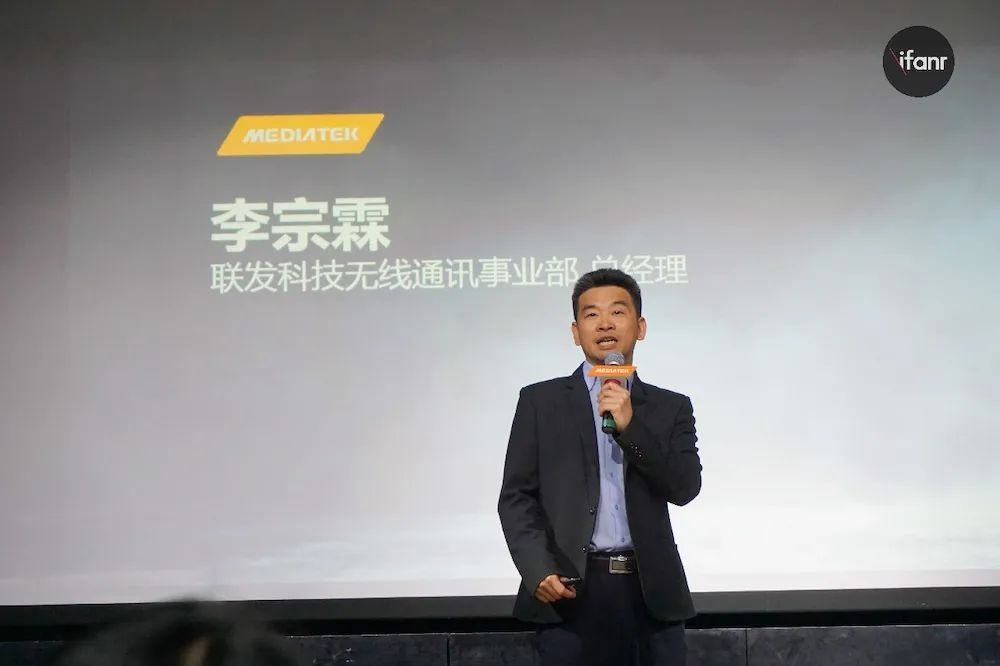
▲Momenta chip R&D department head Li Zonglin
In 2019, Li Zonglin joined OPPO’s chip design subsidiary ZEKU as Chief Operating Officer (COO), responsible for chip R&D strategy and team management. After ZEKU’s dissolution, Li Zonglin joined Momenta in July 2023, becoming head of its chip R&D department.
At that time, according to media reports, the chip team also included some former Huawei employees, and the two groups of experts had “disagreements” regarding chip architecture issues. However, judging from the current situation where Momenta’s self-developed chip can be “compatible” with Qualcomm SA8650 interfaces, internal integration has clearly established a clear direction.
In architectural design, Jia Mingjun is the GPU software architecture expert in Momenta’s chip R&D team, mainly responsible for adapting and optimizing autonomous driving algorithms on chips. He previously served as Software Department Director at ZEKU, focusing on GPU-related software development, including driver development and AI framework optimization.
Yu Guojun is the SoC design expert in Momenta’s chip R&D team, responsible for hardware architecture development of autonomous driving chips. He previously served as Senior Director of SoC 2 Department at ZEKU, focusing on chip design. Yu Guojun holds a Ph.D. in Electronic Science and Technology from Zhejiang University and has published multiple papers on SoC design in academia, covering video processors, RISC/DSP collaborative design, and other areas.
03. Conclusion: Self-Developed Chip Manufacturing Remains a Hot Topic
Against the backdrop of continuously rising computing power demands, cost pressures, and parallel supply chain security concerns, self-developed chips have become an important strategic lever for the upstream intelligent driving industry chain.
Whether OEMs or Tier 1 suppliers, all are using self-development to supplement differentiated competitive barriers and master technological discourse power. Momenta’s self-development project, if the vehicle testing news is true, not only demonstrates organizational mobilization and technical integration capabilities over more than two years but also means its upgrade from an algorithm supplier to a system-level player with both software and hardware capabilities. However, intelligent driving systems also face significant certification pressure. Completing certifications including ISO26262 and other series will also be challenges that Momenta’s self-developed chip will need to face.