

Huawei ADS Goes Mainstream: Standard in New $20k EV
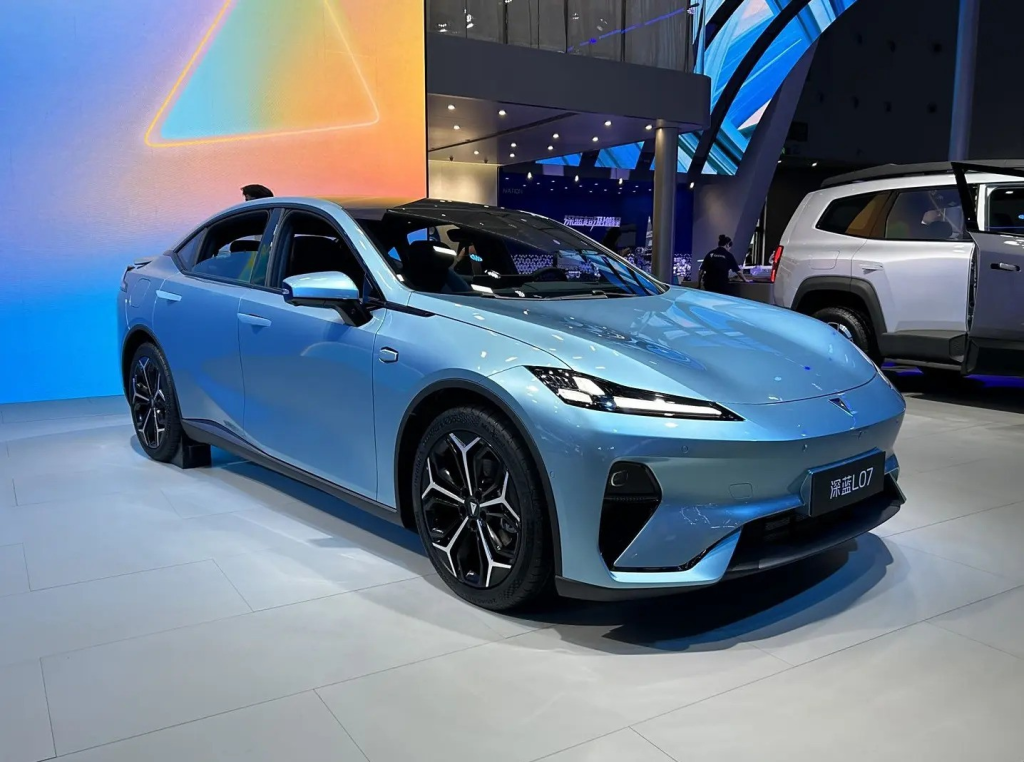
On August 13, the 2026 Deepal L07 debuted with an official guide price of 145,900–165,900 RMB. After applying the “deposit expansion” discount, prices drop by another 10,000 RMB, landing at 135,900–155,900 RMB.
The new model boasts highlights like the Qualcomm Snapdragon 8295 chip, up to 660km CLTC pure electric range (240km for the extended-range version), over 1500km total range, and dual zero-gravity seats… But the headline feature is unmistakable: standard Huawei Qiankun Intelligent Driving ADS SE system. Yes, a 150,000 RMB budget now buys you Huawei’s autonomous driving tech – on every trim.
Industry Tipping Point: 1 Million Vehicles and Beyond
The very day before the L07 launch, Jin Yuzhi, CEO of Huawei’s Intelligent Automotive Solution BU, announced that vehicles equipped with Huawei Qiankun Intelligent Driving had surpassed 1 million units. In a blink, ADS evolved from a “pioneering experiment for select brands” to an “industrial consensus” spanning 22 brands, all vehicle categories, and a million-strong base :cite[9]. This milestone likely marks the threshold where intelligent driving no longer requires justification.
“1 million units” signifies that assisted driving has crossed the “industrial tipping point”. This threshold means the technology transitions from “exploratory deployment” to “structural scale,” embedding itself not as an option but as a foundational component of products and organizational cycles. For Huawei, this million represents not just volume, but a quiet reshaping of technology, pace, and industry psychology .
Behind the 1 Million: A Question of Distribution
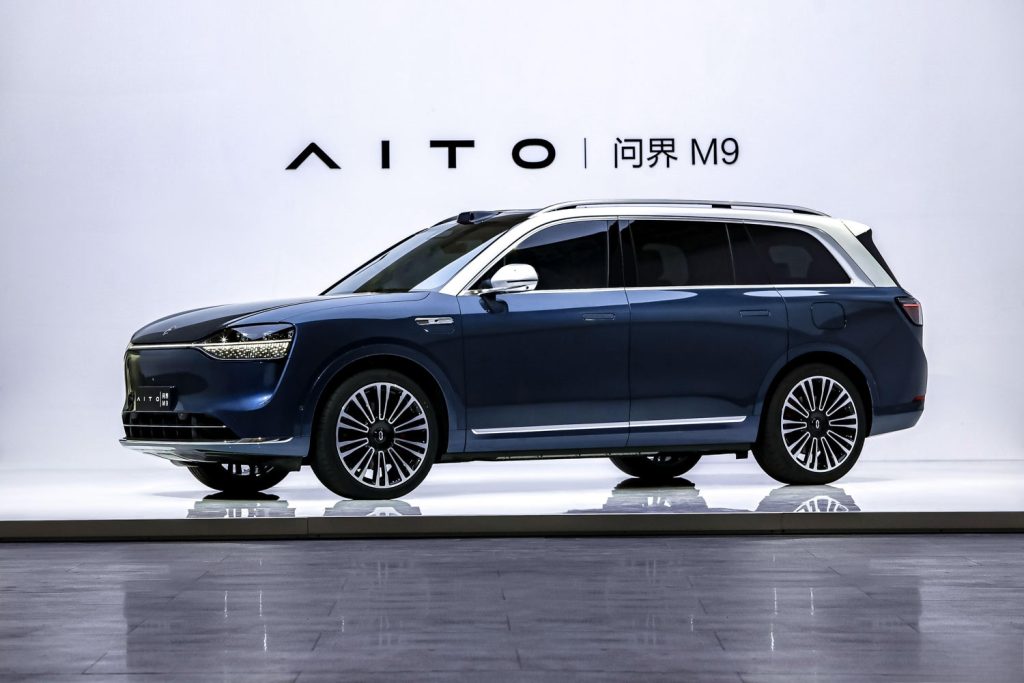
The value of an intelligent driving system is ultimately defined not just by capability, but by who installs it, on which vehicles, and in what volume. Huawei’s 1 million is not evenly distributed: over 85% come from the AITO series under Harmony Intelligence (e.g., AITO M5/M7/M9). While Qiankun covers 22 brands (including Audi, Voyah, M-Hero, Deepal), most users remain within Huawei’s closed ecosystem.
This reveals a penetration boundary: ~70% of equipped vehicles are priced above 250,000 RMB, with 40% exceeding 500,000 RMB. For consumers, Qiankun remains an “upper-mid-range symbol,” not yet “infrastructure for the masses” .
Three Emerging Challenges
Reaching 1 million units is a leap, but it heralds new questions shifting from “feasibility” to “usability, consistency, and cost”:
- Consistent Experience Across Models: With one system deployed across 22 brands and dozens of models, variations in chassis tuning, powertrain response, and electronic architecture may lead to fragmented user experiences (e.g., smooth vs. hesitant lane changes). The challenge is ensuring stable, similar performance regardless of vehicle .
- Defined Capability Boundaries: As ADS becomes standard equipment—not a high-end perk—managing user expectations is critical. Vague warnings like “stay alert” are insufficient. Clear, upfront communication is needed on functional limits (e.g., operational road conditions, parking liability, safety intervention triggers) .
- Cost Reduction & True Accessibility: While the entry-level L07 brings ADS to the 150,000 RMB segment, its “SE” version has reduced capabilities compared to flagship models (e.g., fewer sensors, limited scenarios). Fully featured Qiankun systems still concentrate above 200,000 RMB. True democratization requires further cost compression without compromising core performance.
