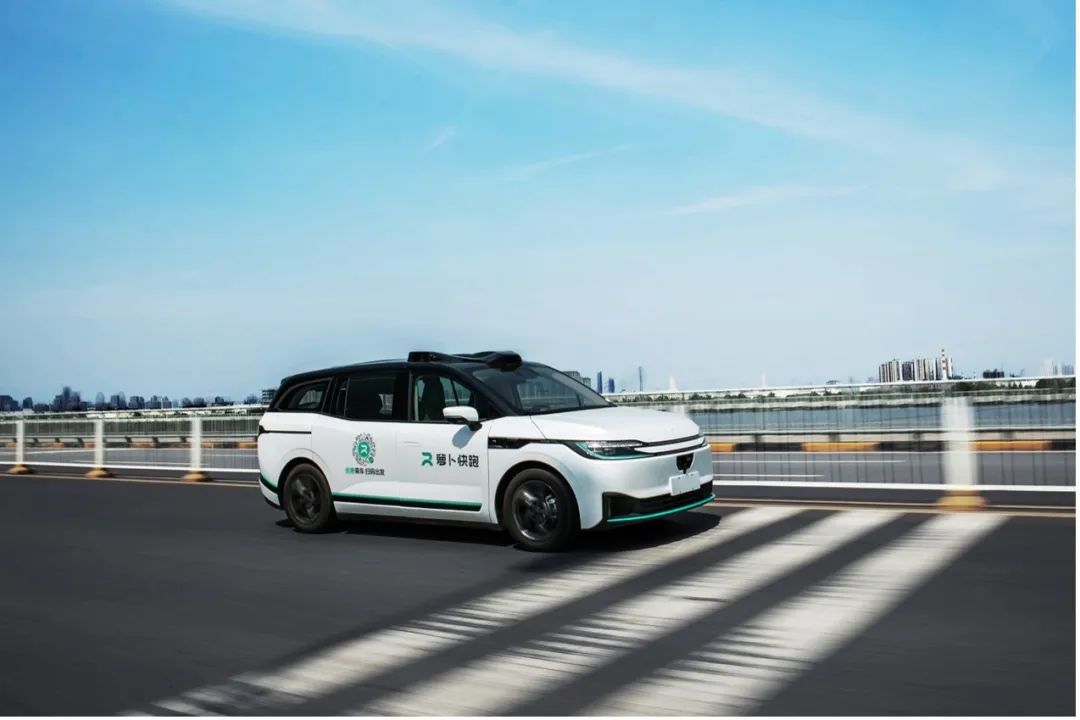
Baidu’s autonomous ride-hailing unit Apollo Go (Luobo Kuaipao) has struck a landmark deal with Uber to deploy its self-driving vehicles across the Uber network in over 70 countries. This marks the largest autonomous vehicle partnership in history and China’s first major export of “robotaxi-as-a-service” technology.
World’s Largest AV Partnership Goes Live
Starting later this year, thousands of Apollo Go’s sixth-generation robotaxis will be deployed across Asia and the Middle East via the Uber app. The service will gradually expand globally, excluding the U.S. and mainland China where both companies already operate independently.
Scale: Apollo Go’s global fleet will double from 1,000+ vehicles post-integration
Cost Advantage: At $28,500 per vehicle (Gen 6 model), economies of scale could lower fares
Market Reaction: Baidu’s U.S. shares surged nearly 9% on announcement
“This collaboration is a critical milestone in global autonomous driving deployment,” said Robin Li, Baidu’s CEO. “Together with Uber, we’ll deliver safe, efficient mobility solutions worldwide.”
Strategic Play for Global Dominance
For Apollo Go, Uber’s 32.4% global ride-hailing market share provides instant scale. Recent expansions include:
Dubai/Abu Dhabi: Testing underway with 1,000+ robotaxis planned
Hong Kong: Approved for testing in Tung Chung after logging 9,300+ safe miles
Europe: Switzerland and Turkey targeted with new entities established
The Safety Edge: Why Sensors Matter
Unlike Tesla’s camera-only approach, Apollo Go’s Gen 6 vehicles feature:
4 LiDAR sensors (including 360° coverage)
Point cloud density 1.5x higher than Waymo
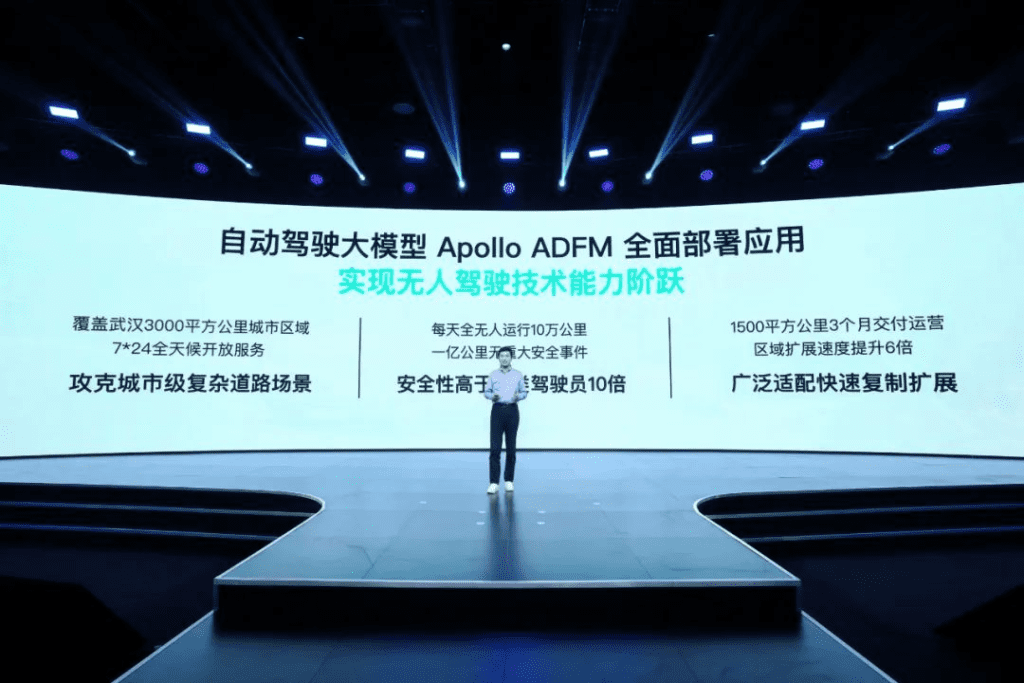
Apollo ADFM – world’s first L4 autonomous driving model
Safety metrics: • 17+ million accident-free miles • 110+ million completed rides • Accident rate: 1/14th of human drivers
The Camera-Only Controversy
As Tesla accelerates Robotaxi tests in Austin, safety concerns mount:
June 24 incident: Unattended Model Y scraped parked car during parking attempt
Other reported issues: Wrong-way driving, phantom braking, unsafe drop-offs
NHTSA now investigating Tesla’s safety protocols
“The fundamental environmental comprehension gaps in camera-only systems can’t be fixed by software patches,” warned a University of Texas transportation expert.
The Road Ahead
This partnership signals a critical inflection point for autonomous mobility. By combining Uber’s global network with Apollo Go’s sensor-based safety system, the companies aim to deliver what pure vision systems currently cannot: scalable robotaxi service with human-surpassing safety.