

XPeng’s First Flying Car to Make Debut Flight in Dubai in October
Imagine escaping morning highway gridlock by making your car take off vertically, soaring above the city skyline. This is no longer a sci-fi trope, but a future turning into reality. He Xiaopeng, the visionary behind XPeng Motors, recently announced a globally stunning move: XPeng AeroHT’s first flying car, the “Land Aircraft Carrier,” will conduct its overseas debut flight in Dubai in October 2025. Having already secured over 5,000 orders, it is scheduled for official delivery in the second half of 2026. This news has not only ignited the passion of tech enthusiasts but also sparked widespread discussions about a revolution in urban transportation.
From Dream to Reality: A Milestone Debut Flight for Flying Cars
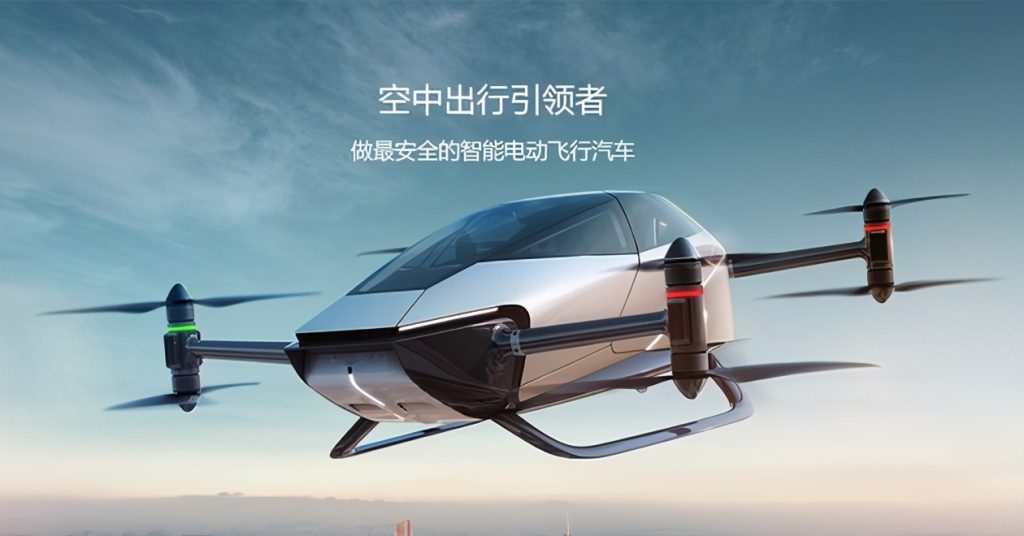
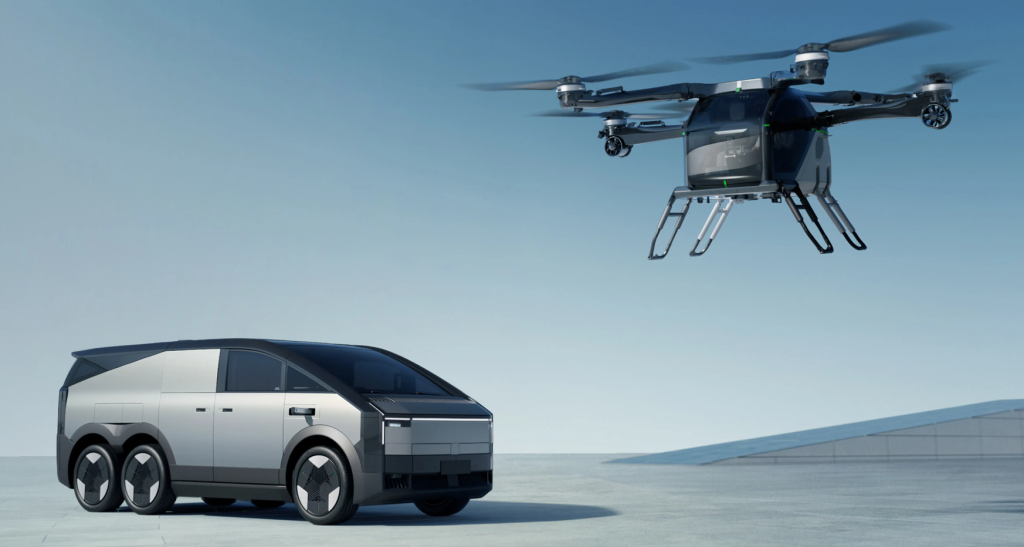
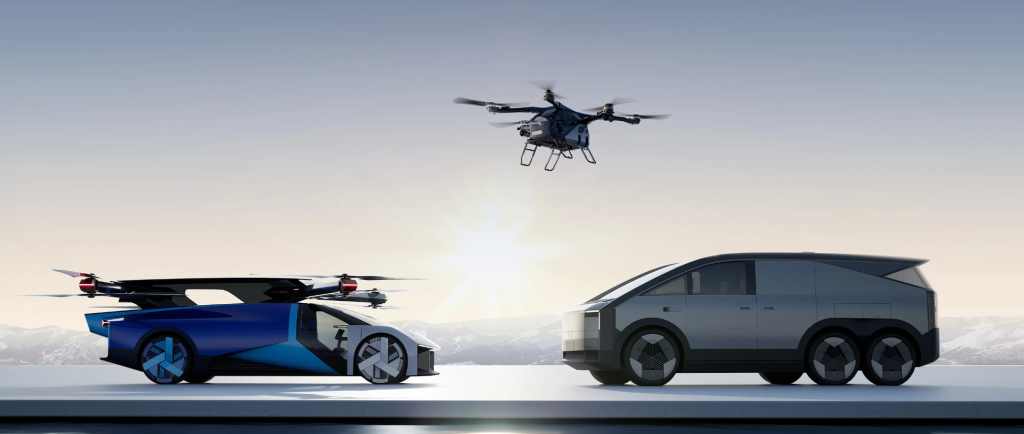
XPeng AeroHT’s “Land Aircraft Carrier” flying car project marks a major breakthrough in low-altitude mobility. According to official disclosures, this flying car adopts an innovative split design, consisting of a ground module and a flight module, and supports both manual and autonomous driving modes. This means users can drive it like a regular car on daily roads; when facing traffic jams or needing a quick commute, they can switch to flight mode with one click to achieve vertical takeoff, landing, and air travel.
The choice of Dubai for the debut flight is no coincidence. Renowned for embracing cutting-edge technology and boasting modern infrastructure, the city provides an ideal testing environment for the maiden flight.
Behind this debut plan lies 12 years of R&D accumulation and an investment of approximately $600 million by XPeng AeroHT. The company has completed the iteration of 7 generations of aircraft—from initial concept verification to today’s commercial readiness—with every step reflecting an uncompromising pursuit of safety and reliability. He Xiaopeng emphasized in public that the flying car is not a gimmick, but a practical solution to ease urban congestion and improve travel efficiency. The Dubai debut flight will be a public demonstration, aiming to showcase China’s leading position in low-altitude mobility technology to the world.
Tech Breakdown: What Makes This Flying Car Stand Out?
The technical specifications of the “Land Aircraft Carrier” are impressive. It features a 3-axis, 6-wheel layout, ensuring stable driving performance and passability in ground mode. Importantly, it can be operated with a standard C-class driver’s license, lowering the barrier to use. In terms of power systems, it is equipped with an 800V full-domain silicon carbide (SiC) high-voltage extended-range platform. This not only enhances energy efficiency but also achieves a cruising range of over 1,000 kilometers—far exceeding that of most current electric vehicles. The application of SiC technology reduces energy loss, making both flight and ground travel more eco-friendly and cost-effective.
The split design is another highlight. The ground module handles land transportation, while the flight module is dedicated to air travel, and the two can be separated and combined. This design boosts versatility: after reaching the destination, users can park the flight module in designated areas and continue using the ground module for land travel.
The integration of autonomous driving mode, supported by advanced sensors and AI algorithms, ensures safety and precise control during flight. XPeng AeroHT stated that the system has undergone rigorous testing, including low-altitude obstacle avoidance, path planning, and emergency response, to comply with international aviation standards.
Market Response: Consumer Confidence Behind 5,000+ Orders
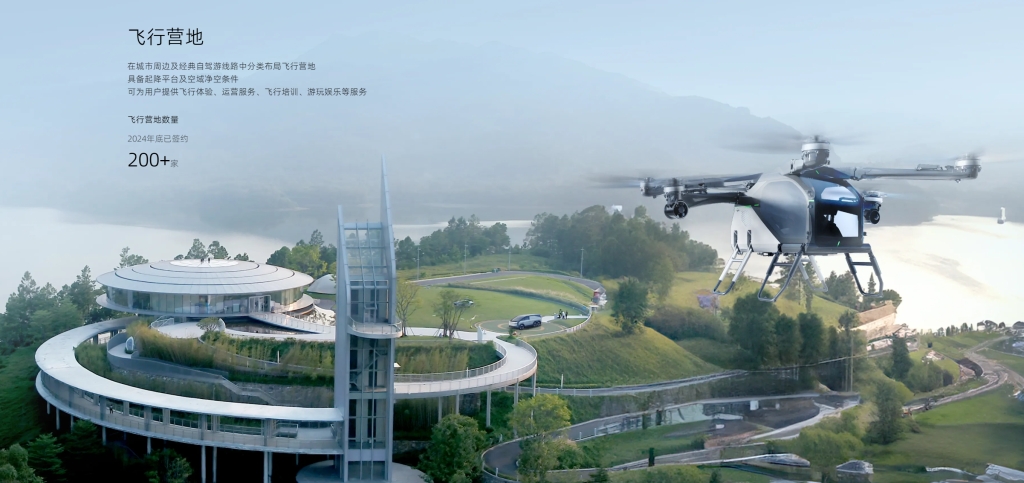
Order volume is a key indicator of market acceptance. XPeng AeroHT’s announcement of over 5,000 orders—all from the Chinese market—reflects high consumer expectations for flying cars. These orders are not blind pre-purchases: customers are required to pay a deposit and undergo eligibility screening, indicating that the target user group consists of early adopters and high-tech enthusiasts. Analysts point out that orders are concentrated in urban areas such as Beijing, Shanghai, and Shenzhen—cities plagued by severe congestion and with an urgent demand for innovative travel solutions.
There are multiple reasons for the booming orders. First, XPeng Motors’ brand reputation plays a crucial role. As one of China’s leading new energy vehicle companies, XPeng’s expertise in autonomous driving and intelligent connectivity technologies endorses its flying car project. Second, the practicality and futuristic appeal of the flying car have attracted significant attention. For consumers, it is not just a means of transportation, but also a symbol of a new lifestyle. After the scheduled delivery in 2026, the first batch of users will enjoy priority access, which may include training and support services to ensure a smooth transition to air travel.
R&D Journey: 12 Years of Pioneering Low-Altitude Mobility Revolution
XPeng AeroHT’s flying car project did not happen overnight. Launched in 2012, the team has overcome countless challenges and achieved key breakthroughs. With an R&D investment of approximately $600 million (equivalent to over 4 billion yuan), the funds have been allocated to core technology development, testing facility construction, and talent recruitment. During the iteration process—from the simple test flight of the first-generation prototype to the commercial readiness of the seventh-generation product—each step focused on iterative learning and improvement.
Key milestones include the completion of the first flyable prototype in 2018, the integration of autonomous driving elements in 2020, and the verification of the split design in 2023. In an interview, He Xiaopeng revealed that the biggest challenge lies in balancing safety and performance between flight and ground modes. The team has collaborated with aviation authorities to ensure compliance with regulations while maintaining the pace of innovation. This long-term approach has allowed XPeng AeroHT to stand out in the highly competitive low-altitude mobility market. Compared to other players such as America’s Joby Aviation or Germany’s Volocopter, XPeng places greater emphasis on integrating ground and air travel experiences.
Industry Impact: How Flying Cars Will Transform Our World
The rise of flying cars signals a paradigm shift in the transportation industry. First, it may alleviate urban congestion. It is estimated that traffic jams cause economic losses of tens of billions of dollars in major cities worldwide; by utilizing three-dimensional space, flying cars can significantly reduce commute time and improve productivity. Second, it will drive the development of related industrial chains—from battery technology to air traffic management—creating new jobs and investment opportunities.
However, challenges cannot be ignored. Regulatory hurdles are a major obstacle: aviation authorities around the world need to formulate new standards for low-altitude aircraft, covering airspace management, safety certification, and privacy protection. Infrastructure construction is also critical, such as takeoff/landing sites, charging stations, and maintenance facilities—requiring collaboration between governments and the private sector. Additionally, public acceptance will take time to cultivate, as flying cars involve safety risks and noise issues. XPeng AeroHT’s Dubai debut flight aims to address these concerns and build trust through practical demonstrations.
Environmental impact is another focus of discussion. Although flying cars are electric, large-scale deployment may increase energy consumption. XPeng’s solution, which uses a high-efficiency extended-range platform and SiC technology, aims to minimize the carbon footprint, but long-term sustainability depends on the integration of renewable energy.
Future Outlook: From Dubai to Global Markets—The Commercial Path of Flying Cars
After the Dubai debut flight, XPeng AeroHT’s next step will be to expand testing scope and prepare for mass production. The company plans to conduct more international demonstrations—including in European and North American markets—before delivery in 2026 to obtain global certifications. The business model may adopt subscription or rental services to reduce the initial cost for users, while providing maintenance and upgrade services.
In the long run, flying cars may become part of shared mobility. Imagine ride-hailing platforms like Uber or Didi integrating flying fleets, allowing users to hail air taxis via an app—this is no longer a distant fantasy. He Xiaopeng envisions a “3D mobility network,” where flying cars seamlessly connect with autonomous vehicles to reshape urban mobility.
The investment community has responded positively. XPeng Motors’ stock price rose after the announcement, reflecting market confidence in this innovative business. Analysts predict that the low-altitude mobility market could reach a scale of 100 billion US dollars by 2030, and XPeng AeroHT’s early layout has given it a first-mover advantage.
Conclusion: Embracing the Flying Era with Thought and Action
XPeng AeroHT’s flying car project is more than just a product launch—it represents a bold step forward for humanity toward intelligent mobility. It integrates technological innovation, market insight, and a sustainable vision, challenging the boundaries of traditional transportation. As consumers, we stand at a historical juncture, with the opportunity to witness and participate in this revolution.
Yet, beyond excitement, rational thinking is essential. The popularization of flying cars will take time and require coordination across technical, regulatory, and social dimensions. We encourage readers to stay informed—every step, from the Dubai debut flight to future deliveries, deserves discussion and anticipation. The future has arrived; it may just be waiting in the sky.